 0
0
 0
0
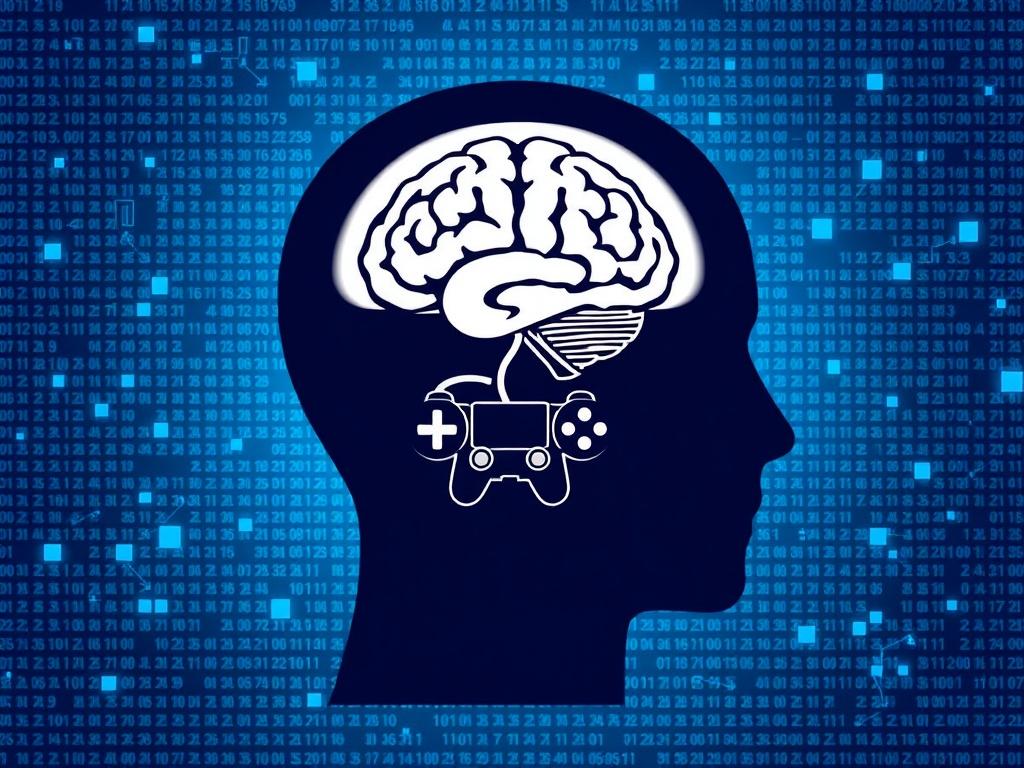
Over the past few years, attitudes toward gaming have evolved: it is increasingly viewed not only as entertainment but also as offering possible psychological advantages. Although excessive play has long been linked to adverse outcomes, current studies indicate that moderate gaming can positively affect several facets of mental health. In this piece, we examine the developing view of gaming’s psychological advantages and the ways it can support overall mental well-being.
Cognitive Benefits
Improved Cognitive Skills:
Playing games can strengthen cognitive abilities like problem-solving, spatial reasoning, and memory. Many video games require players to plan, analyze, and adapt to shifting situations, which helps refine mental skills. In addition, certain genres—such as puzzle and strategy titles—act as mental exercises that challenge the brain and can enhance cognitive performance over time.
Enhanced Multitasking Abilities:
Video games frequently demand managing multiple tasks at once—navigating environments, interacting with characters, and tracking objectives—which can bolster multitasking and task-switching skills. Research has shown that gamers tend to multitask more effectively and respond faster than non-gamers, implying that gaming may improve cognitive flexibility and real-world efficiency.
Emotional Benefits
Stress Reduction and Relaxation:
Playing games can offer a helpful break from daily pressures, functioning as a form of relaxation and stress relief. Immersive experiences can carry players into different worlds, letting them momentarily step away from everyday concerns and focus on engaging, enjoyable activities. This can ease anxiety and tension, supporting emotional balance and calm.
Social Connection and Community:
Online gaming communities create spaces for social interaction and connection, even for people who find face-to-face socializing difficult. Multiplayer games let players cooperate, build friendships, and pursue shared objectives, fostering a sense of belonging and mutual support. For many, these communities provide important companionship and social resources.
Behavioral Benefits
Goal Setting and Achievement:
Games frequently involve defining and reaching goals—whether finishing a level, overcoming a tough boss, or setting a new high score. This cycle of goal setting and accomplishment can build a feeling of competence and self-efficacy, increasing confidence and motivation. The gratification of surmounting challenges and mastering skills in games can carry over into greater resilience and assurance in everyday life.
Cognitive Rehabilitation and Therapy:
Recently, gaming has been recognized as a promising tool for cognitive rehabilitation and therapy, especially for people with cognitive deficits or neurological disorders. “Serious games” created for therapeutic purposes can aid improvements in memory, attention, and other cognitive areas within clinical groups. These games provide an engaging, enjoyable complement to conventional therapies and can enhance treatment outcomes.
Conclusion
In summary, evidence of gaming’s psychological benefits is growing, challenging the stereotype that games are purely recreational. From sharpening cognitive skills and alleviating stress to encouraging social bonds and supporting goal-directed behavior, gaming can offer a broad range of positive effects on mental well-being. As research advances, it is important to acknowledge and harness gaming’s potential to promote overall mental health. By maintaining a balanced approach and integrating gaming into a healthy lifestyle, people can enjoy its advantages while reducing possible downsides.