 0
0
 0
0
Agriculture is experiencing a major shift propelled by technological advances. In particular, the combination of the Internet of Things (IoT) and Artificial Intelligence (AI) has transformed farming methods, enabling more efficient and environmentally friendly operations. This piece examines the contributions of IoT and AI to contemporary agriculture and their influence on sustainable farming approaches.
The Development of Agricultural Technology
Conventional Farming Methods
Historically, farming depended largely on manual effort and intuition, with decisions guided by experience rather than data. That model often produced inefficiencies, wasted resources, and environmental harm, making it unsustainable over time. With a rising global population and tightening resource limits, innovative and lasting agricultural solutions are urgently needed.
Technology’s Emergence in Farming
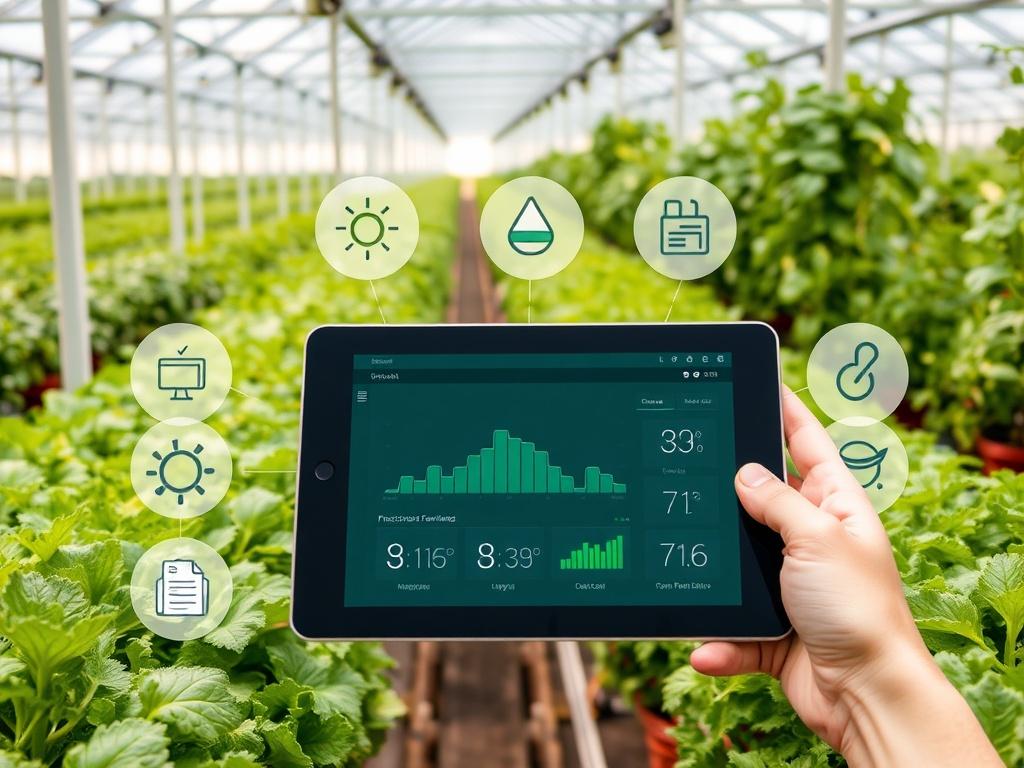
Over the past years, innovations like IoT and AI have reshaped the agricultural sector by supplying novel tools and insights to producers. IoT gadgets—sensors and drones among them—gather live data on soil moisture, temperature, humidity, and plant condition, offering actionable visibility into farm operations. AI analyzes these datasets to uncover trends, forecast outcomes, and refine practices, allowing growers to take data-informed actions that boost productivity and sustainability.
IoT in Agriculture
Precision Farming
A primary use of IoT in agriculture is precision farming, where networked devices monitor and control crop production with fine accuracy. Field sensors collect information on soil properties, local weather, and plant development, enabling farmers to fine-tune irrigation, fertilization, and pest management. Applying inputs more accurately reduces waste, lowers environmental harm, and increases yields.
Intelligent Farming Machinery
IoT also makes possible smart machinery fitted with sensors and actuators that adjust operations in real time. For instance, intelligent irrigation setups use soil sensors to regulate water delivery for optimal crop moisture. Likewise, autonomous field vehicles equipped with IoT-enabled GPS and AI can carry out planting, spraying, and harvesting tasks with greater precision and efficiency.
AI in Agriculture
Predictive Analytics
AI systems process vast amounts of data from IoT devices to detect patterns and forecast future events. In farming, predictive analytics can estimate yields, spot disease or pest outbreaks early, and guide resource distribution. Using AI-driven models, producers can make choices that reduce risk and enhance profitability.
Crop Monitoring and Management
Computer vision and AI-enabled image analysis allow growers to assess crop health and spot stress or illness from aerial photos taken by drones or satellites. By interpreting these images, AI can pinpoint trouble spots and suggest targeted actions, such as localized pesticide application or altered watering schedules. This proactive monitoring helps prevent losses and maintain crop vigor and productivity.
The Future of Sustainable Farming
Integrated Solutions
Bringing IoT and AI together provides a comprehensive route to sustainable agriculture, merging continuous data capture, analysis, and automated decision-making to use resources more wisely and reduce environmental footprints. By employing sensor networks and AI analytics, farmers can raise yields, cut expenses, and improve sustainability, helping secure food supplies for coming generations.
Environmental Benefits
Practices enabled by IoT and AI deliver notable environmental advantages, such as lowered water consumption, less chemical runoff, and decreased greenhouse gas emissions. By optimizing inputs and curbing waste, agriculture can conserve natural assets, maintain biodiversity, and lessen climate impacts. As the sector adopts more tech-driven strategies, farming’s outlook becomes more sustainable and promising.
Conclusion
The adoption of IoT and AI has reshaped agriculture, opening pathways for more sustainable practices and better productivity. Harnessing live data collection, intelligent analysis, and informed decision-making enables farmers to use resources more efficiently, lower environmental harm, and sustain their businesses long term. As innovation continues, IoT and AI will be central to defining the future of sustainable agriculture.