 0
0
 0
0
With increasing urbanization, cities are confronting escalating issues around rising populations, resource allocation, and the efficiency of infrastructure. To tackle these intertwined urban problems, the idea of smart cities has gained traction as a viable approach. Smart cities apply advanced technologies to raise residents’ quality of life, boost sustainability, and better manage resources. This article examines the principal technologies catalyzing the shift toward intelligent, connected urban environments.
Understanding Smart Cities
What are Smart Cities?
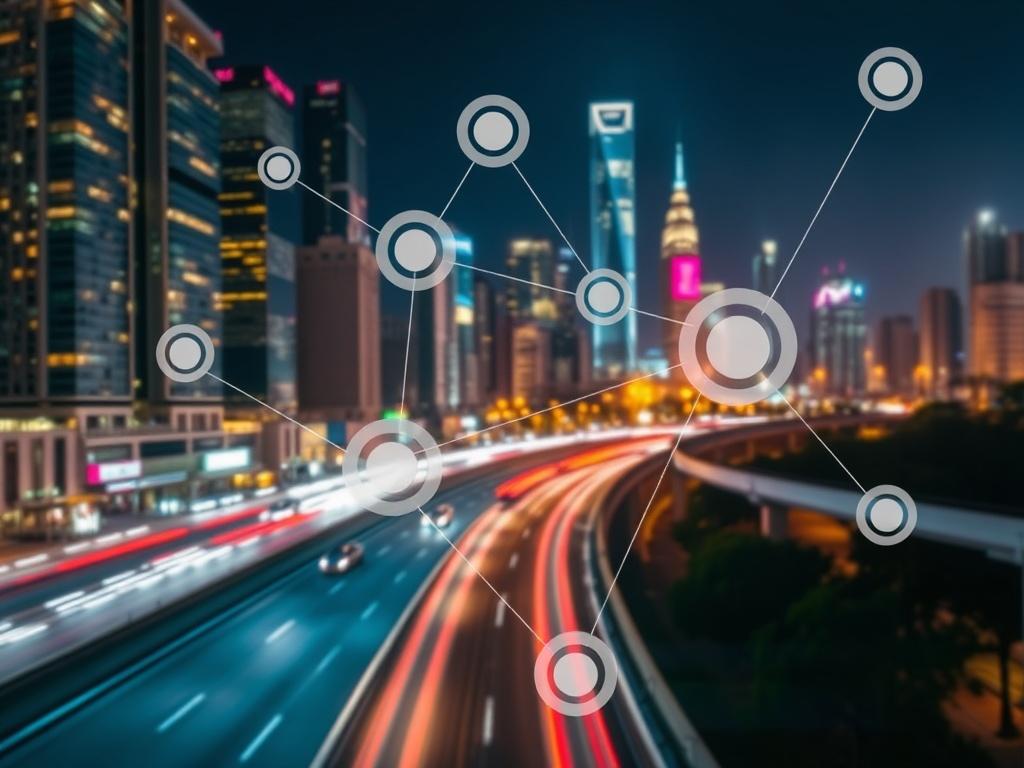
Smart cities are urban settings that utilize information and communication technologies (ICT) to gather, process, and apply data to enhance the effectiveness of municipal operations and services. These systems allow municipalities to observe and control many facets of city life, from transit and energy consumption to waste disposal and public safety. By adopting data-driven approaches, smart cities strive to improve residents’ overall well-being while fostering sustainability and economic growth.
Core Components of Smart Cities
Functioning smart cities depend on a mix of physical devices, software, and supporting infrastructure. Key elements found in smart urban systems include:
- Sensors and IoT Devices: Sensors built into infrastructure and IoT gadgets placed throughout urban areas gather live data on metrics like air quality, traffic patterns, power usage, and waste levels.
- Data Analytics Platforms: Sophisticated analytics platforms handle the large volumes of data from sensors and IoT devices to produce practical insights and guide decisions by city officials.
- Communication Networks: Strong communication networks, both wired and wireless, support reliable data exchange between sensors, devices, and centralized control platforms.
- Smart Infrastructure: Smart infrastructure covers a broad set of technologies, including intelligent grid solutions, advanced transportation systems, connected buildings, and automated waste handling.
Technologies Driving Urban Transformation
Internet of Things (IoT)
The Internet of Things (IoT) is pivotal for enabling smart city applications by linking sensors and devices to the internet so they can share data. Across a city, IoT components are used in many areas to oversee and control public infrastructure and services. For example, IoT sensors can report on pollution levels, traffic jams, and electricity consumption, helping city managers act on timely information.
Big Data Analytics
Big data analytics tools sift through the large datasets produced by IoT devices to uncover useful trends and correlations. Using machine learning and predictive techniques, urban planners can allocate resources more wisely, enhance services, and forecast future developments. For example, predictive models can forecast where congestion will occur so officials can improve traffic management and shorten commutes.
Conclusion
Smart cities point to the next stage of urban life, providing creative methods to manage the complex problems of fast-growing urban populations. By exploiting technologies like the Internet of Things (IoT) and big data analytics, municipalities can increase efficiency, support sustainability, and make cities more livable. As smart city projects progress, new innovations will continue to reshape urban areas and raise living standards for millions worldwide.