 0
0
 0
0
Competition among console makers has always been intense, and the arrival of next-generation systems has taken that rivalry to new levels. In this piece, we explore the present state of the next-gen console wars, assess the strengths and weaknesses of each major competitor, and forecast possible directions for the gaming industry.
The Contenders: Sony, Microsoft, and Nintendo
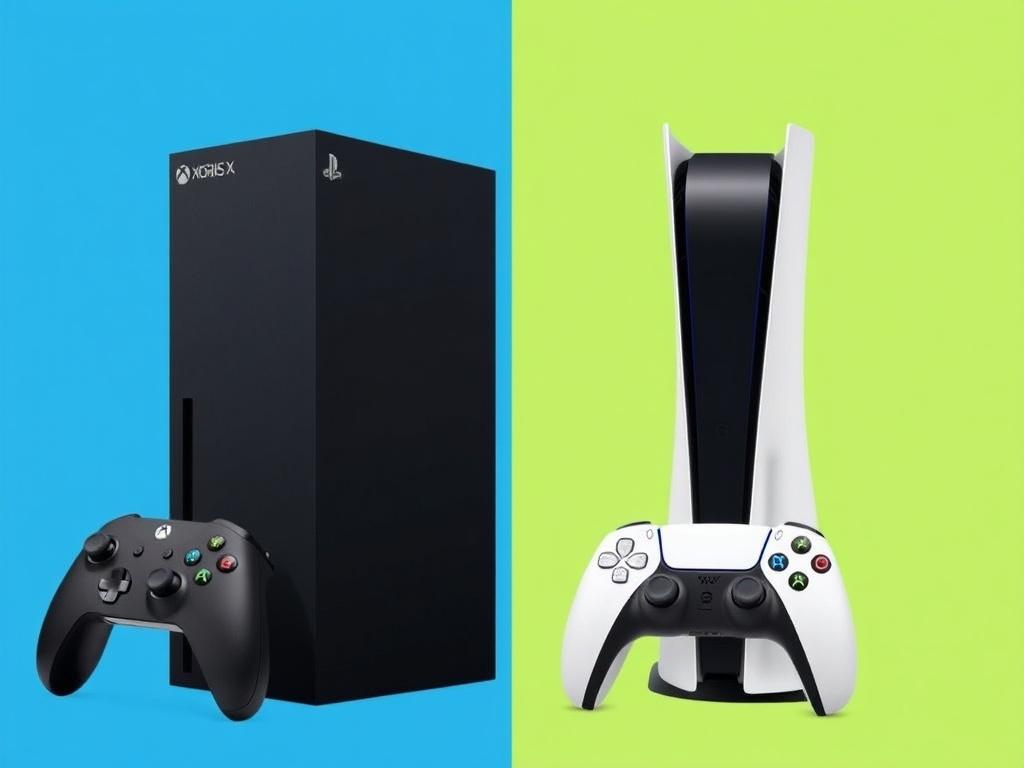
Leading the charge in the next-gen console battle are three giants: Sony with the PlayStation 5, Microsoft with the Xbox Series X|S, and Nintendo with the Switch. Each firm offers distinct advantages that appeal to different corners of the gaming audience.
Sony’s PlayStation 5 delivers strong hardware, deeply immersive games, and a roster of powerful exclusives. Microsoft’s Xbox Series X|S focuses on backward compatibility, subscription ecosystems like Xbox Game Pass, and cloud play through Project xCloud. Meanwhile, Nintendo’s Switch remains dominant in the portable space thanks to its inventive hybrid concept and titles suited to families.
Hardware and Performance
Regarding raw hardware and performance, the PlayStation 5 and Xbox Series X|S are closely matched, both delivering notable specs and graphical fidelity. The PlayStation 5, however, holds a minor advantage due to its exclusive games and its support for virtual reality via a dedicated accessory.
Nintendo’s Switch, although less powerful than its rivals, stands out for portability and flexibility. Its distinctive design lets players switch between handheld and docked play effortlessly, making it perfect for gaming on the move.
Exclusive Titles and Ecosystem
Exclusive games are key to driving hardware sales and building brand loyalty. Sony benefits from numerous first-party studios that produce acclaimed titles like “God of War,” “Spider-Man,” and “The Last of Us.” Microsoft, after acquiring Bethesda and other developers, is expanding its lineup of exclusives with games such as “Halo Infinite” and “Fable.”
Nintendo continues to release cherished franchises like “Mario,” “Zelda,” and “Pokémon,” appealing to everyone from casual players to dedicated fans. Its leadership in the handheld market also gives Nintendo a distinctive edge over competitors.
Online Services and Subscription Models
Online platforms and subscription offerings have grown increasingly vital in gaming. Sony’s PlayStation Plus provides monthly free titles, special discounts, and online multiplayer, while Microsoft’s Xbox Game Pass grants subscribers access to an extensive game library for a monthly price.
Nintendo Switch Online supplies online play, cloud save support, and a selection of classic NES and SNES games. Still, its service falls short of rivals in terms of scope and overall content depth.
Predictions for the Future
Looking forward, competition among Sony, Microsoft, and Nintendo is likely to grow fiercer as they keep innovating and battling for market share. Further progress in hardware, immersive experiences, and cloud gaming technologies can be expected.
Moreover, distinctions between console, PC, and mobile gaming are blurring, aided by cross-platform play and streaming services. As the sector advances, players can anticipate many fresh experiences and innovations from all three leading companies.
In summary, the next-gen console battles are heating up as Sony, Microsoft, and Nintendo compete for dominance. Each brings particular strengths and offerings, creating a dynamic and exciting environment. Gamers should look forward to groundbreaking tech, deeper immersion, and abundant entertainment options ahead.